In the era of modern software development, the traditional manual code review process has become a major bottleneck for engineering velocity. Senior developers are frequently overwhelmed, having to review dozens of Pull Requests (PRs) daily, which often leads to fatigue, delayed releases, or missed security vulnerabilities and logic bugs.
To address this friction, AI-powered code review platforms have emerged, automating the analysis of code changes the moment a developer opens a PR. In this deep dive, we evaluate and compare the top 6 AI code review platforms in 2026: CodeRabbit, Qodo.ai, PR-Agent, DeepSource, Corgea, and Ellipsis.dev. We explain why CodeRabbit takes our top spot, driven by its exceptional Git integration experience and highly transparent pricing models tailored for modern development teams.

1. AI Code Review Trends in 2026
The year 2026 marks a paradigm shift from basic AI autocomplete utilities to autonomous AI agents that participate directly in the pull request lifecycle. Instead of merely suggesting the completion of a local function, modern AI review agents build deep repository indexes (Code Graphs), trace cross-file dependencies, and analyze code against custom team architectures.
In the current development landscape, engineering teams no longer rely on simple rules-based static linters to maintain standards. AI coding agents now coordinate agentic loops, executing logical reasonings and validation steps in the background. For engineering managers, this automation addresses review fatigue. By putting AI agents at the front line, senior developers are freed from checking minor styling, formatting, or basic unit test configurations, allowing them to focus entirely on architectural choices.
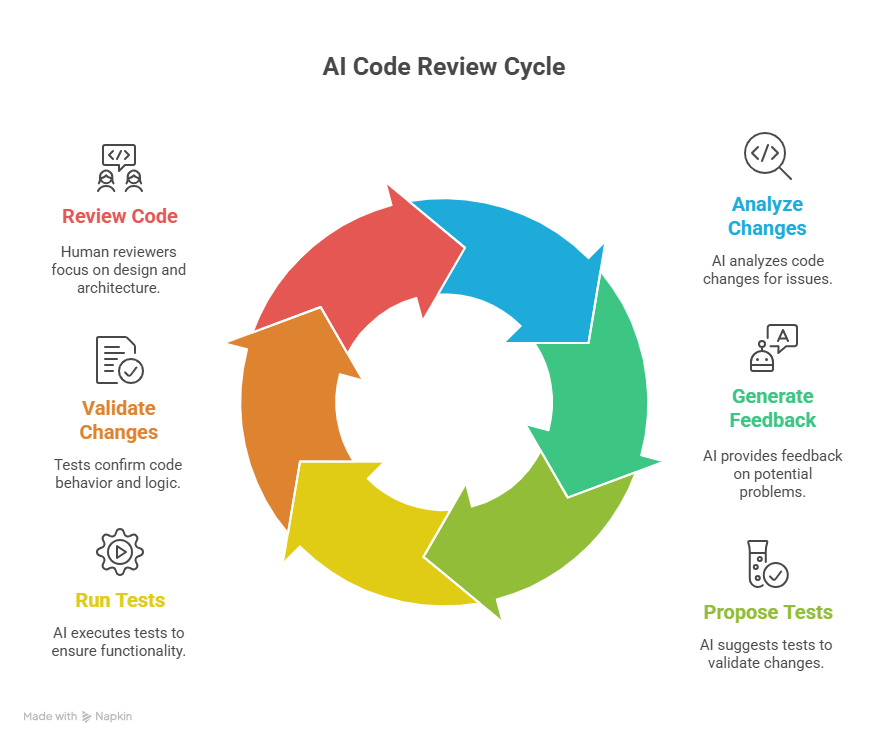
Automated AI code review workflow integration within the Git lifecycle
2. Key Criteria for Platform Evaluation
To help teams select the optimal tool, we established four core pillars of evaluation:
- Git Integration DX: How easily the platform connects to GitHub, GitLab, or Bitbucket, and whether it interacts naturally within the existing PR review UI rather than forcing developers to manage a separate dashboard. If engineers are forced to leave their Git dashboard to resolve feedback, adoption drops rapidly.
- Contextual Codebase Awareness: How effectively the AI indexes the entire repository to understand intent, shared libraries, and style standards, avoiding generic, out-of-context comments. A context-blind model creates warning noise that developers quickly learn to ignore.
- Pricing Transparency: Clear, predictable seat-based or usage-based pricing models without hidden fees, allowing organizations to easily forecast expenses without encountering surprising usage bills.
- Security & Compliance: High enterprise security standards (like SOC 2 Type II certification) and robust data retention policies (such as zero retention post-review) to safeguard intellectual property.
3. CodeRabbit: The Leading PR Assistant
Leading our comparison is CodeRabbit, which stands out as the most polished and developer-friendly AI code reviewer on the market. CodeRabbit excels in its seamless integration within standard version control platforms and its highly transparent pricing, making it the perfect fit for modern Agile teams.
CodeRabbit uses advanced Code Graph Analysis to understand the broader context of changes rather than evaluating diff lines in isolation. When a developer opens a PR, CodeRabbit automatically posts an architectural summary walkthrough and leaves line-by-line comments with ready-to-apply refactoring suggestions. Its direct “One-Click Commit” feature saves significant developer time by allowing reviews and edits to occur entirely inside the Git interface. Trusted by over 15,000 organizations, CodeRabbit has become the go-to review gate for teams scaling their code quality.
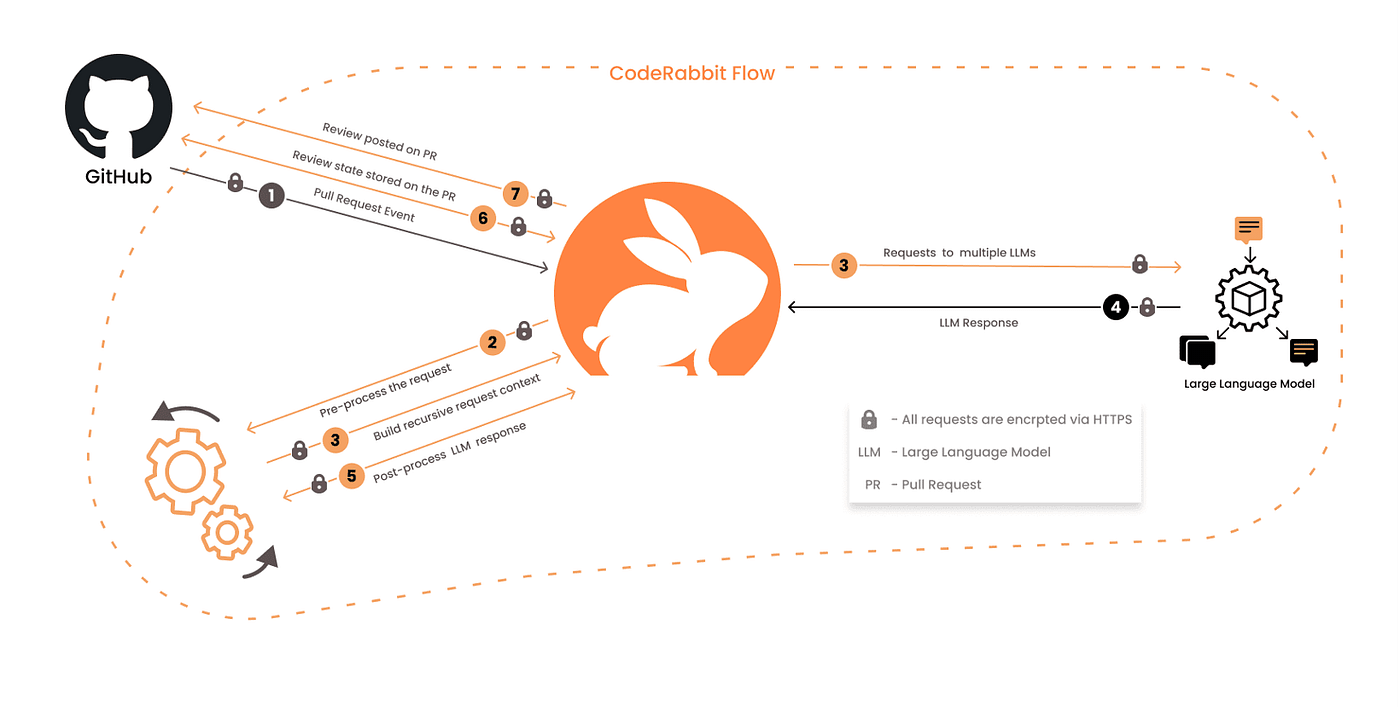
How AI Code Reviews Work: Understanding CodeRabbit and Pull Request Analysis
The Good (Pros)
The Bad (Cons)
#1 · Best overall Git PR experience
Code Graph Analysis with one-click commit suggestions
$12 a seat with the full Pro feature list published, free forever on public repos, SOC 2 Type II and zero data retention. Expect to dial down the nitpick severity on day one.
Visit CodeRabbit
4. Qodo.ai: Code Integrity and Testing
Qodo.ai (previously known as CodiumAI) is a quality-focused platform that prioritizes test suite generation and code execution integrity. The core philosophy of Qodo is that code review is incomplete without validation, focusing heavily on generating correct unit test cases and simulating code paths.
Qodo.ai analyzes the execution flows of your code to check for edge cases, potential memory leaks, or logical inconsistencies. It is a powerful tool for teams aiming to aggressively increase test coverage, automatically writing PyTest, Jest, or JUnit files to match the new code diffs. By checking how data behaves under pressure, Qodo prevents regressions from making it to main branches.
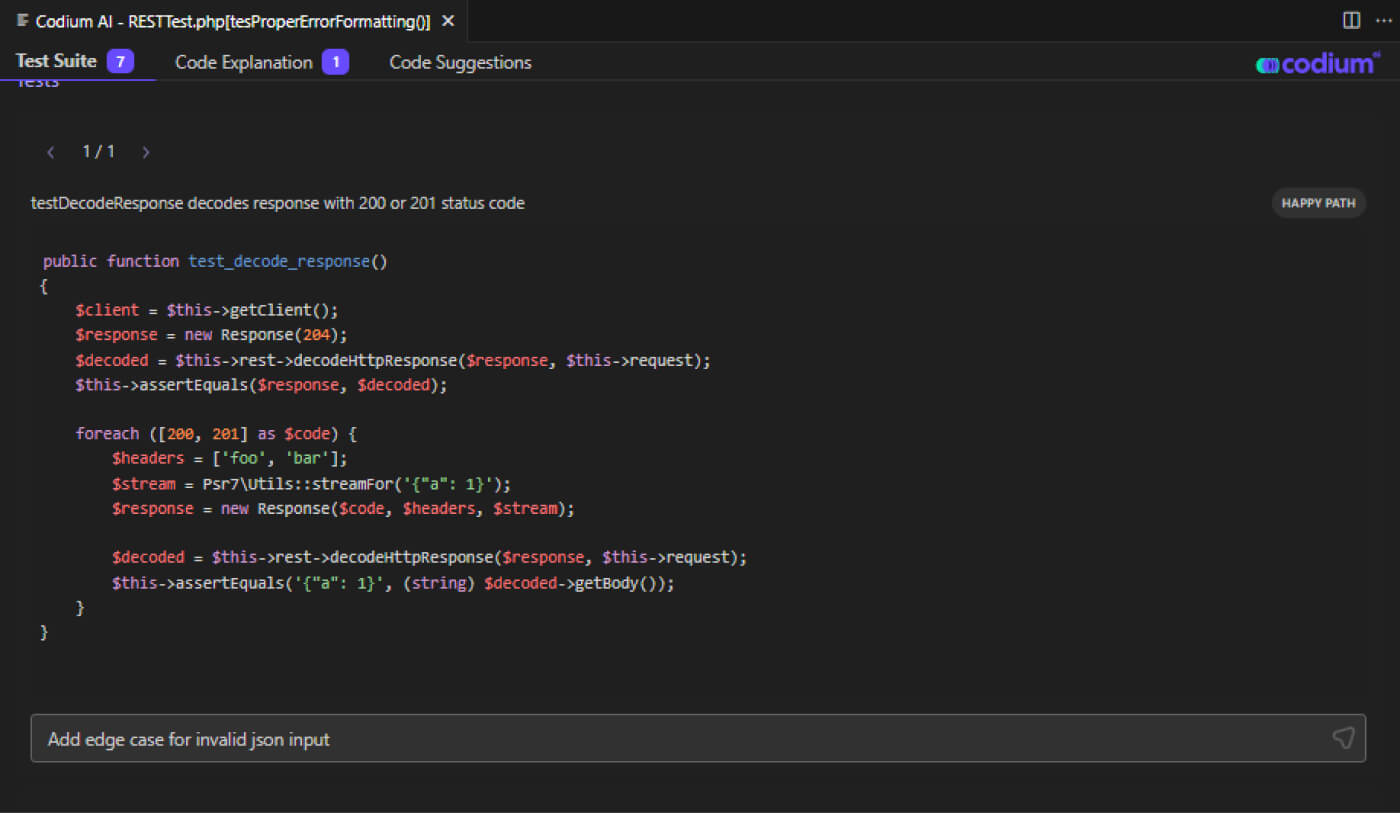
Qodo.ai interface showing automated test generation options within the code editor
The Good (Pros)
The Bad (Cons)
#2 · Strongest test generation
Writes the PyTest, Jest and JUnit files to match your diff
Simulates execution paths to catch edge cases static models miss, with VS Code and JetBrains extensions, from $15 a seat. The PR bot is less fluid than CodeRabbit’s.
Visit Qodo
5. PR-Agent: Flexible Open Source Utility
PR-Agent began inside CodiumAI, but it is no longer part of the company that became Qodo. The repository now sits under its own The-PR-Agent organisation — GitHub still redirects the old qodo-ai/pr-agent path to it — with its own site at pr-agent.ai and a description that states plainly it “is not the Qodo free tier”. It remains MIT-licensed, carries about 13,000 stars, and was last updated the day before this review. It is a flexible assistant designed to automate PR reviews, descriptions, and verification. Because it is open-source, developers can run it locally, host it on their own servers, and integrate it deeply into custom CI/CD pipelines without subscribing to SaaS infrastructure.
PR-Agent supports natural language command triggers within PR comments (e.g., /review, /describe, /ask “why did we choose this loop pattern?”). This highly configurable CLI-style interaction makes it popular among DevOps teams managing secure self-hosted environments. Developers can adjust prompts, change local validation requirements, and connect it to various self-managed Git instances like GitLab On-Premise.
The Good (Pros)
The Bad (Cons)
#3 · Free when you self-host
/review, /describe and /ask commands on your own infrastructure
Works with GitHub, GitLab, Bitbucket and Azure DevOps, with full access to the prompt templates. You supply the servers and your own LLM API keys.
Visit PR-Agent
6. DeepSource: Static Scans and Autofix
DeepSource is a developer security and static analysis platform that combines the precision of traditional static analyzers (SAST) with generative AI automation. DeepSource focuses on catching code styling violations, security flaws, performance bottlenecks, and anti-patterns.
Unlike standard LLMs that occasionally guess fixes, DeepSource uses deterministic rules to scan code, and then triggers its AI engine to construct accurate code patches (Autofix) to resolve the warnings. This hybrid approach ensures highly reliable fixes with close to zero false positives. If the engine identifies a memory leak in Go or SQL injection vulnerability in Python, it drafts a PR patch immediately.
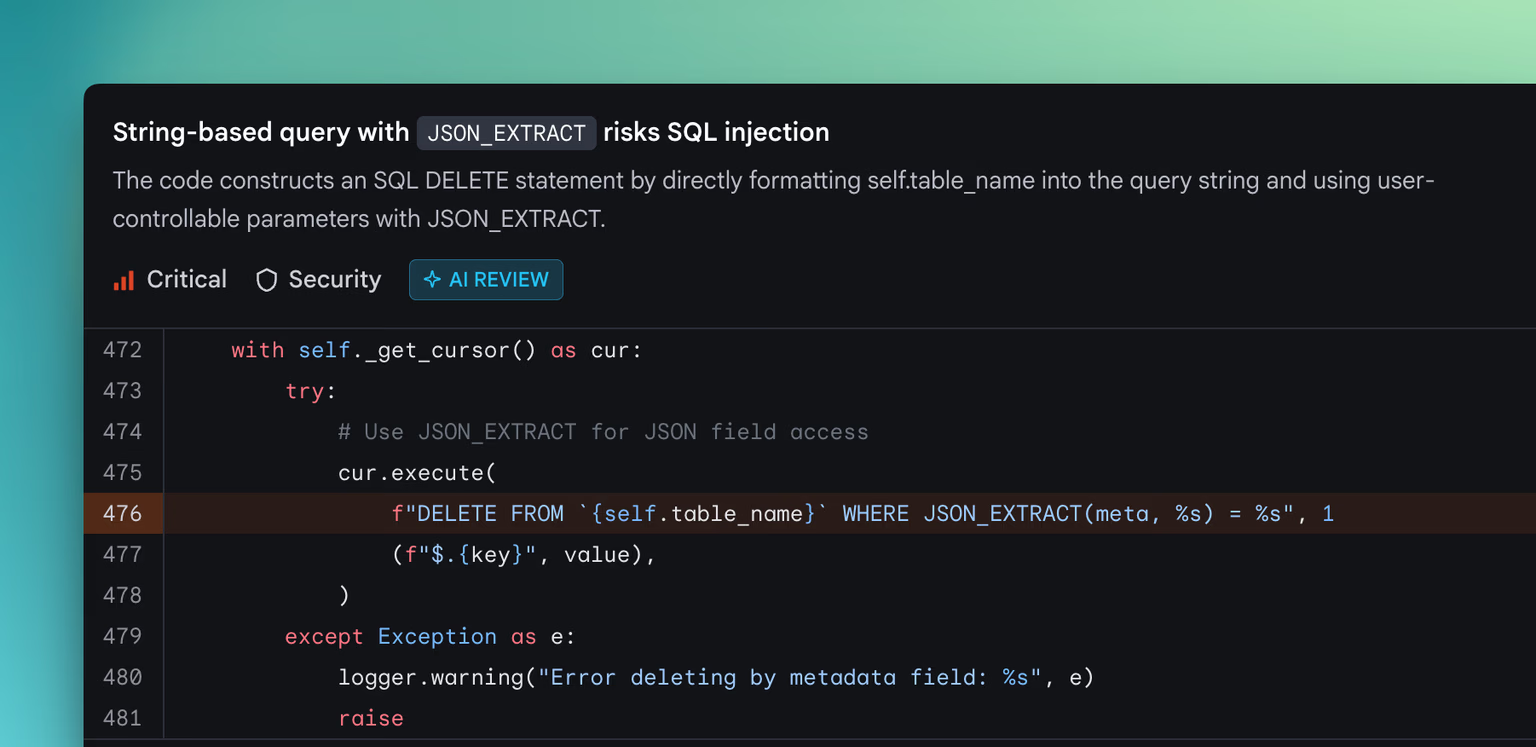
DeepSource code analysis portal displaying codebase security issues and AI fixes
The Good (Pros)
The Bad (Cons)
#4 · Fewest false positives
Deterministic static rules first, then AI writes the patch
Strong OWASP Top 10 and hardcoded-secret detection with mergeable Autofix patches, free up to 3 users and $24 a seat after. Weaker on business-logic review than conversational agents.
Visit DeepSource
7. Corgea: Automated Security Patching Agent
Corgea is a specialized AI code reviewer that focuses exclusively on cybersecurity and vulnerability remediation. It does not review code styling or standard logical choices; its sole mission is finding security defects and generating secure code modifications to fix them.
Corgea connects into your Git workflow and security pipelines. When it detects issues like SQL injections, Cross-Site Scripting (XSS), or insecure cryptographies, it writes a secure patch, tests the change, and opens a fix PR. This dedicated workflow reduces the burden on enterprise SecOps teams, resolving hundreds of vulnerability backlogs automatically.
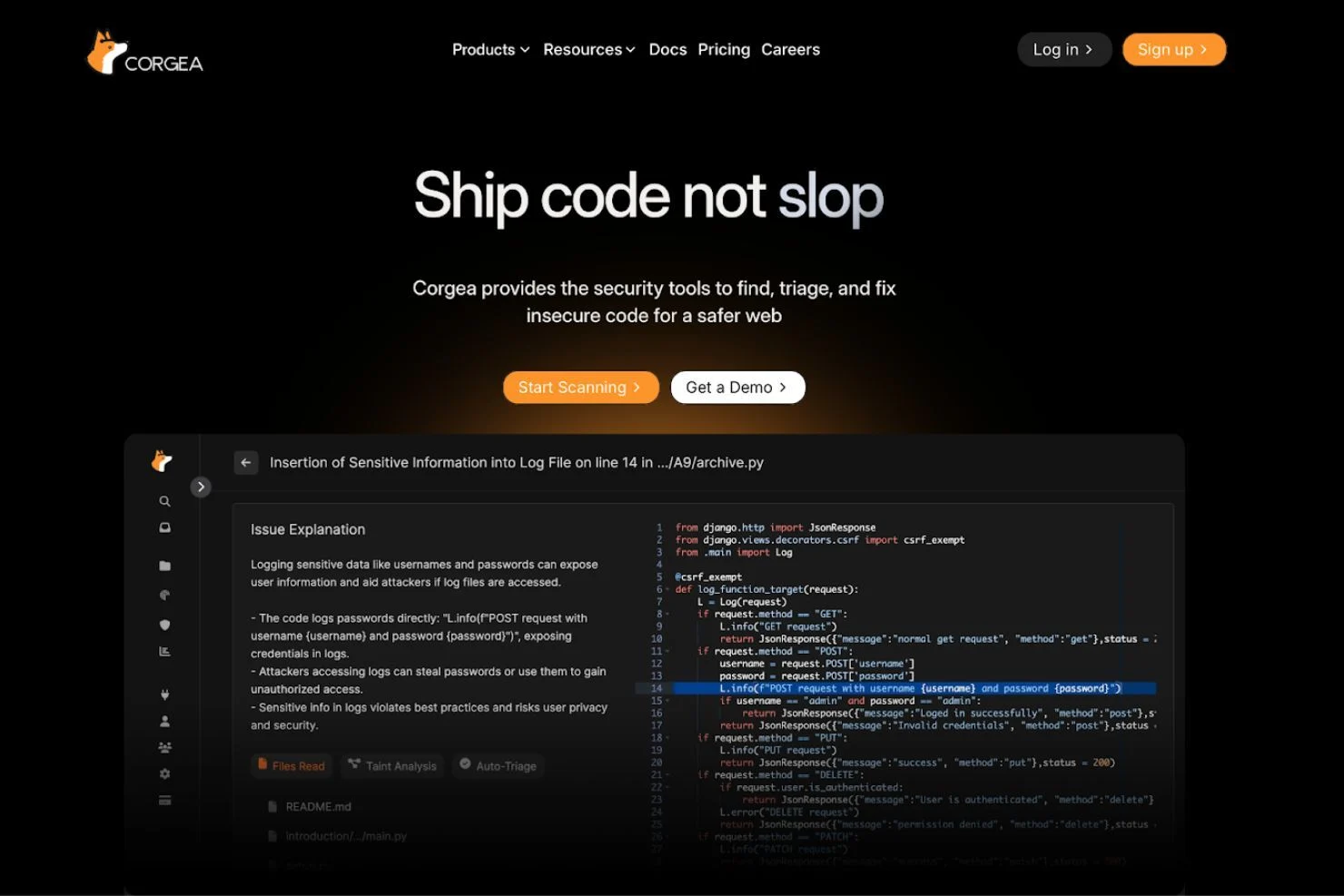
Corgea automatically analyzing and proposing a patch for a code vulnerability
The Good (Pros)
The Bad (Cons)
#5 · Security remediation only
Writes the secure patch, tests it, then opens the fix PR
Built for SecOps teams clearing vulnerability backlogs — SQL injection, XSS and insecure cryptography. No general code review, no architectural summaries, and pricing is quote-only.
Visit Corgea
8. Ellipsis.dev: Autonomous Virtual Sandbox Execution
Ellipsis.dev approaches pull request reviews as an autonomous AI engineer. Rather than simply scanning text, Ellipsis boots up a virtual sandbox environment, compiles your codebase, executes unit tests, reproduces issues, and writes verified code modifications.
Ellipsis is highly autonomous. If a developer leaves a comment on a PR like: “Ellipsis, write a unit test for our new API validation rule,” the agent spins up its sandbox, generates the test code, executes it to ensure it passes, and commits the clean code to your PR branch. This closed feedback loop prevents broken builds from reaching the code review stage.
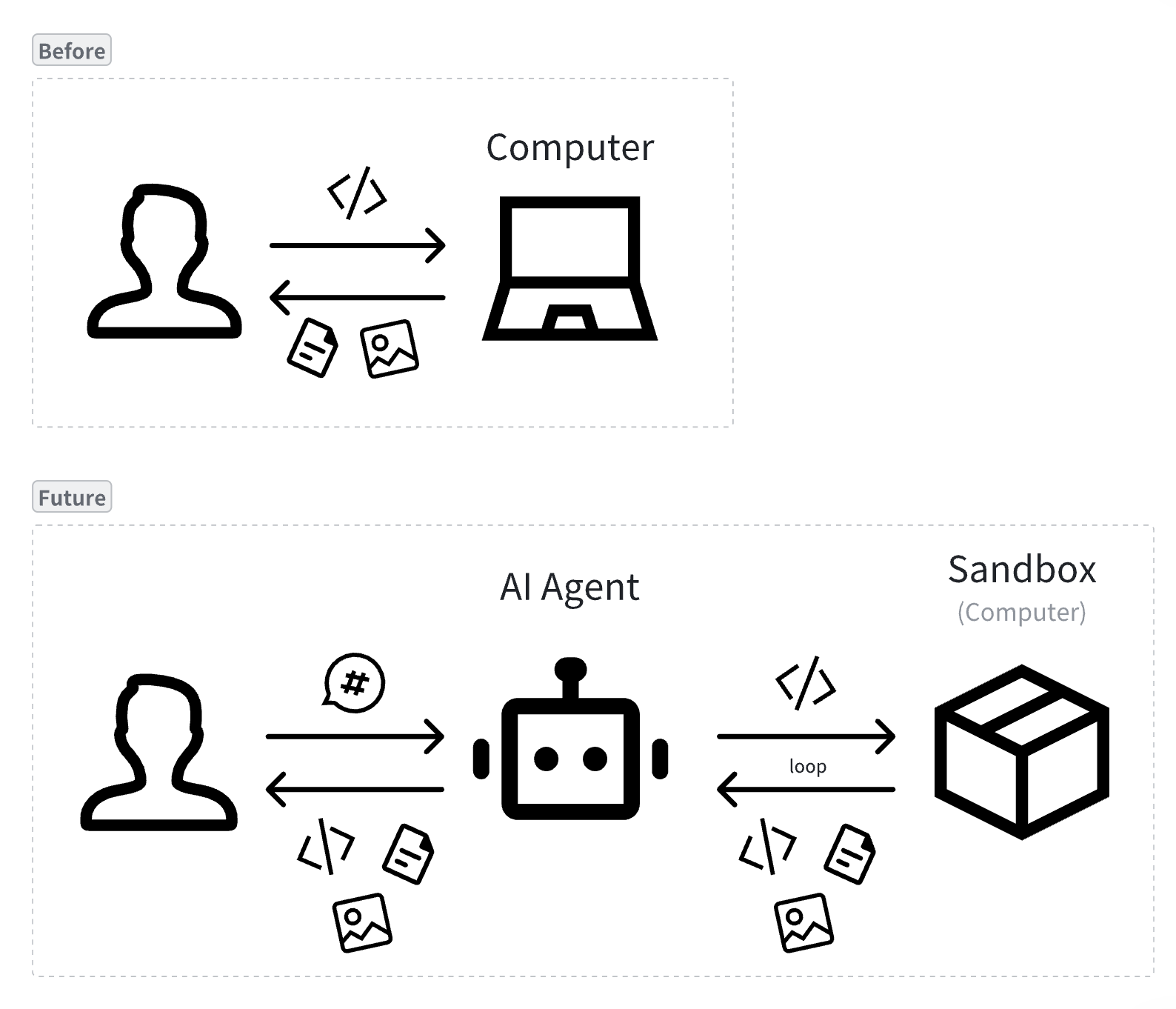
AI agent executing automated unit tests inside a sandbox CLI interface
The Good (Pros)
The Bad (Cons)
#6 · Actually runs your tests
Boots a sandbox, compiles the code and verifies its own changes
Ask it in a PR comment and it writes the test, executes it, and commits only once it passes. That verification loop costs 5-10 minutes per run and $29 a seat.
Visit Ellipsis
9. Feature Comparison Matrix and Breakdown
To summarize the visual and feature distinctions between these platforms, we have compiled the following comparison matrix:
| Feature / Criteria | CodeRabbit | Qodo.ai | PR-Agent | DeepSource | Corgea | Ellipsis.dev |
|---|---|---|---|---|---|---|
| Git Integration DX | Excellent (Native PR) | Moderate (IDE Focused) | Good (Command CLI) | Good (CI Pipeline) | Moderate | Good (Sandbox CLI) |
| Analysis Mechanism | Code Graph & LLM | Behavioral & LLM | LLM Parser | Hybrid Static & LLM | Specialized LLM | Execution Engine & LLM |
| Conversational Chat | Yes (Full) | Yes | Yes (CLI Commands) | No | No | Yes (High Autonomy) |
| Autofix Suggestions | Yes (One-Click) | Yes | Yes | Excellent (Autofix) | Excellent (Patching) | Excellent (Commit) |
| Test Generation | Yes (Via Chat) | Excellent (Test Suite) | Good | No | No | Excellent (Sandbox) |
| Primary Focus | General Code Quality | Code Integrity & Tests | Open Source Flex | Static Analysis & SAST | Security Remediation | Autonomous Feature Builds |
This comparison highlights that CodeRabbit provides the best general-purpose balance for daily engineering reviews, offering a native Git PR interface that requires no code compilation overhead. Other platforms like Ellipsis or Qodo excel in highly specific workflows, such as local test execution or code test suites. Selecting the correct layout depends on your target workflow.
10. Pricing Plans and Transparency Analysis
Predictable, seat-based billing is essential for engineering managers budgeting for development pipelines. Here is how the six tools compare in pricing transparency and structure:
| Pricing / Metric | CodeRabbit | Qodo.ai | PR-Agent | DeepSource | Corgea | Ellipsis.dev |
|---|---|---|---|---|---|---|
| Entry Pricing | $12 / seat / month | $15 / seat / month | Free (Self-hosted) | $24 / seat / month | Contact for Quote | $29 / seat / month |
| Pricing Metric | Per seat | Per user seat | Custom / Host token | Per seat | Codebase size | Per seat |
| Free Tier | Free forever (Public) | Free personal tier | Free for open-source | Free (up to 3 users) | No standard free tier | Limited monthly PRs |
| Transparency | Excellent (Public list) | Good | Moderate | Good | Low (Sales call) | Good |
CodeRabbit takes the lead in pricing clarity. By offering an affordable $12 per user plan with all Pro features visible and a completely free, unlimited plan for open-source public repos, it represents a cost-effective, predictable choice for companies scaling their developer counts. Managers do not have to worry about credit meters draining.
11. Git Integration and Developer DX
Integrating code quality utilities must fit seamlessly into current engineering pipelines. If developers are forced to leave their Git dashboard to read reports or approve suggestions, adoption rates will drop significantly. Any friction in the feedback loop slows down shipping cycles.
- CodeRabbit achieves maximum developer adoption by keeping everything within version control. It posts standard markdown comments inside the GitHub/GitLab PR thread, and suggestions can be committed instantly via GitHub’s native UI. Developers can discuss modifications with the bot by replying to comments, maintaining their flow state.
- In contrast, tools like Qodo.ai focus heavily on local editor plugins. While excellent for personal drafting, they do not establish a shared team quality gate. Open-source CLI bots like PR-Agent require learning command syntaxes (like /review), which introduces a slight cognitive barrier compared to CodeRabbit’s automatic trigger.
12. Google Images Search Queries Guidelines
To visual-enrich your blog layout, you should select clean screenshots representing these tools in action. Since some SaaS tools reside behind user logins, we recommend searching for these highly accessible public keywords on Google Images:
- RAG Architecture Schema (Section 1): Search for “Retrieval Augmented Generation architecture diagram” or “RAG web scraping pipeline diagram” to find a clean flow chart.
- CodeRabbit GitHub Feed (Section 3): Search for “CodeRabbit GitHub pull request integration” to retrieve a screenshot of the inline PR comment threads.
- Qodo.ai IDE Generator (Section 4): Search for “Qodo.ai VS Code extension test generation” to locate a screenshot of test creation panels.
- DeepSource Portal (Section 6): Search for “DeepSource static analysis dashboard code issues” to find dashboard view screenshots.
- Corgea Remediation (Section 7): Search for “Corgea vulnerability patch request Git” to find images of proposed security code fixes.
- Ellipsis.dev Terminal (Section 8): Search for “Jest test pass terminal screenshot” or “npm run test terminal output” to see a clean test suite execution.
13. Platform Selection by Team Size
Selecting the correct platform depends heavily on your team’s size, budget, and development patterns:
- For Startups and Growing Teams (3-30 Developers): -> CodeRabbit is the undisputed choice. Its low entry barrier, zero infrastructure maintenance, and seamless Git interface will instantly boost your shipping velocity without consuming DevOps bandwidth.
- For Open-Source Maintainers or Bootstrapped Projects: -> PR-Agent (Open Source) is highly recommended. It allows you to run review automation on your own servers without paying recurring user licenses.
- For High-Integrity Systems and Mission-Critical Code: -> Qodo.ai or DeepSource are ideal. Their strict combination of static scans and deep behavioral testing ensures that suggestions are verified against standard runtime behaviors.
- For Enterprises with Strict Compliance and Security Teams: -> Corgea or CodeRabbit Enterprise (configured via VPC self-hosting) are the ideal choices to enforce security remediation without leaking proprietary source code.
14. The Future of AI Coding Agents
AI-powered code review is no longer a future concept; it has quickly become a standard pipeline requirement in 2026. By offloading style policing, syntax validation, and minor refactoring to AI, engineering teams can refocus senior developers on architectural decisions and complex logic.
Among the tools evaluated, CodeRabbit leads the market by delivering the most cohesive Git PR experience, highly transparent pricing structures, and excellent codebase reasoning capabilities. To start reducing your PR cycle times today, we highly recommend trying out their premium plan: Try CodeRabbit Pro for Free.